Friday, 27 November 2020
நன்மை¸ தீமை!
Saturday, 14 November 2020
பக்தியுள்ள முதல் குடும்பம்!
அத்தியாயம் 2
(தேவபக்தியுள்ள சந்ததி!)
ஸ்திரீயின் வித்து:
காயீன்¸ ஆபேல்:
Richard Baxter Born to Preach and Write
But at first that seemed far off. As a youth he was a liar and a thief consumed with pride, frivolity, and disobedience. His father had become a Christian through reading the Bible and led a more godly life than most of the pastors for miles around. He tried to guide his son to do the same.
Baxter's early schooling, however, proved not to be the best way to lead him to Christ. His schoolmasters were ministers who “read Common Prayer on Sundays and Holy Days, and taught school and tippled (drank) on the week-days, and whipped the boys, when they were drunk.” However, when Baxter was about fifteen, someone loaned his father Bunny’s Resolution, a serious call to Christian living which Baxter read. He came under the conviction of sin, began to pray, read other Christian books, and changed direction. He studied to become a pastor. About that time he also started coughing up blood, an indication of tuberculosis.
In 1641 Baxter became a pastor at Kidderminster. He preached God’s Word and took care to visit each person in the town and speak to them about their sin. The transformation of the place was astounding. Bible reading, praise, and prayer replaced cursing, sexual immorality, and drunkenness. The church had to be enlarged five times.
He wrote The Reformed Pastor, explaining his methods to others. In a typical sermon he said, “It is a thousand pities that when God has provided a savior for the world, and when Christ has suffered so much for their sins...that yet so many millions should everlastingly perish because they made light of their savior and salvation and prefer the vain world and their lusts before them.”
During the seventeenth century, King and Parliament went to war with each other. Kidderminster was in a Royalist county, so Baxter, who sympathized with the Puritans, was driven out. He became chaplain to parliamentary (Puritan) soldiers. However, he did not get on well with Oliver Cromwell, the leader of the Puritans.
Baxter was persecuted by both sides in the religious and political quarrels of the day and went to prison several times. Nonetheless, his one hundred and twenty eight books had a strong influence on the nation. The best-known of these was The Saints’ Everlasting Rest. It held out the hope of eternal life as a strong motivation for Christian living.
Keep “heaven in your eye at all times,” he said. Another book, Call to the Unconverted, exhorted readers to turn from sin to a holy life. Its success led him to write a series of books designed to bring people to repentance and to set themselves apart for God’s use.
He and his younger wife practiced what they preached, always helping others even though they were very poor themselves. In their last imprisonment together, Baxter’s wife shared a cell with him and died first. His own death came in 1691.
—Dan Graves
Sunday, 1 November 2020
News Update from Every Home for Christ
Today is the International Day of Prayer for Persecuted Christians.
Every day, our teams do outreach in dangerous nations. They risk attack, arrest, and even death for the sake of the gospel. It can be hard for us to picture what life is like for believers in these contexts, so we asked some of our leaders in these nations to share.
From the Middle East:
"One brother who partners with us was wrongly jailed on a false charge for about 10 months... He was targeted because of his testimony for the Lord, but was arrested on a false and unrelated charge… It was only after he changed his lawyer that he was released from prison. He was never found guilty of any crime."
From North Africa:
"A man, for his faith in Christ, was stoned to death after being locked up and starved for 40 days without food... More recently, a young boy who believed in Christ was sentenced to death by hanging by Sharia court."
From North Africa:
"One new believer is experiencing persecution for her faith... Her parents prevent her from having contact with Christians. They often threaten to kill her."
Why would Christians continue to share the gospel in such a threatening environment? They do it because the gospel is the power of God that brings salvation (Romans 1:16). It is the only hope that people have to be rescued from their sins — the only message that points them to Jesus.
Since last year, more than 8 million people have responded to Jesus in nations closed to the gospel.
These people are why our brothers and sisters risk so much to share the message. To them, the gospel is worth the persecution they face. To us, it is worth supporting them.
Tuesday, 27 October 2020
Truth about Bible - The Book!
Sunday, 18 October 2020
Multiple Choice Questions from Psalms - Chapters 1 to 15
QUIZ on PSALMS (Chapters 1 to 15)
PSALMS 1
கடைசி வசனம் எழுதுக. (3 Marks)
PSALMS 2
a) மோரியா
b) எர்மோன்
c) சீயோன்
d) கர்மேல்
Q3. _______________ல் வீற்றிருக்கிறவர் நகைப்பார்.
a) எருசலேமில்
b) ஆலயத்தில்
c) தண்ணீரின் மேல்
d) பரலோகத்தில்
Q4. _______________ஆல் அவர்களை
நொறுக்கி¸ குயக்கலத்தைப்போல்
அவர்களை உடைத்துப்போடுவீர்.
a) கோபத்தால்
b) இருப்புக்கோலால்
c) உக்கிரத்தால்
d) பட்டயத்தால்
PSALMS 3
Q5. தாவீதுக்கு விரோதமாய்
சுற்றிலும் படையெடுத்து வந்தவர்கள்
எத்தனை பேர்?
a) பதினாயிரம் பேர்
b) இருபதாயிரம் பேர்
c) நாற்பதாயிரம் பேர்
d) அநேகம் பேர்
Q6. தாவீதுக்கு விரோதமாய்
எழும்பினவர்கள் எத்தனை பேர்?
1) ஆயிரம் பேர்
2) பதினாயிரம் பேர்
3) முப்பதாயிரம் பேர்
4) அநேகம் பேர்
Q7. தேவனுடைய ஆசீர்வாதம்
யாரின் மீது இருப்பதாக
தாவீதுராஜா கூறுகிறார்?
a) ஜாதிகள் மேல்
b) சிருஷ்டிப்பின் மேல்
c) ஜனத்தின் மேல்
d) தூதர்கள் மேல்
PSALMS 4
Q8. ________________ என்று இந்த
சங்கீதம் தொடங்குகிறது.
a) கர்த்தாவே
b) என் நீதியின் தேவனே
c) என் ஆண்டவரே
d) என் தேவனே
Q9. உங்கள் இருதயத்தில் இதைச்
செய்துகொண்டு அமர்ந்திருங்கள்.
a) சிந்திந்துக்கொண்டு
b) புலம்பிக்கொண்டு
c) பேசிக்கொண்டு
d) துதித்துக்கொண்டு
Q10. கர்த்தாவே¸ நீர் ஒருவரே என்னை
இவ்வாறாகத் தங்கப்பண்ணுகிறீர்.
a) சுகமாய்
b) சமாதானமாய்
c) சந்தோஷமாய்
d) செழிப்பாய்
PSALMS 5
Q11. சங்கீதம் 5:7 எழுதுக. (2 Marks)
PSALMS 6
Q12. கர்த்தாவே, உம்முடைய _______________லே
என்னைக் கடிந்துகொள்ளாதேயும்;
உம்முடைய _______________லே என்னைத்
தண்டியாதேயும்.
a) உக்கிரத்திலே; கோபத்திலே
b) கோபத்திலே; உக்கிரத்திலே
Q13. _______________ல் உம்மைத்
துதிப்பவன் யார்?
a) சஞ்சலத்தில்
b) மரணத்தில்
c) பாடுகளின் மத்தியில்
d) பாதாளத்தில்
Q14. என்னைக் குணமாக்கும்
கர்த்தாவே¸ என் _______________
நடுங்குகின்றன.
a) எலும்புகள்
b) பற்கள்
c) சொற்கள்
d) முழு சரீரமும்
Q15. கர்த்தர் என் _____________
சத்தத்தைக் கேட்டார்.
a) விண்ணப்பத்தின்
b) அழுகையின்
c) ஜெபத்தின்
d) கதறுதலின்
PSALMS 7
Q16. சத்துரு எந்த மிருகத்தைப்போல்
தன் ஆத்துமாவைப் பிடித்துக்கொண்டு
போகிறதாகத் தாவீது கூறுகிறார்?
a) புலி
b) சிங்கம்
c) கரடி
d) யானை
Q17. துன்மார்க்கர் மனந்திரும்பாவிட்டால்
கர்த்தர் அவனுக்கு விரோதமாக
என்ன பண்ணுவார்?
a) சினங்கொள்ளுவார்
b) எதிரிகளை எழுப்புவார்
c) கொரோனாவை அனுப்புவார்
d) பட்டயத்தை கருக்காக்குவார்
Q18. தாவீது ராஜா தான் எதன்படி
கர்த்தரைத் துதிப்பதாகக் கூறுகிறார்?
a) நாமத்தின்படி
b) நீதியின்படி
c) கிரியையின்படி
d) நம்பிக்கையின்படி
PSALMS 8
Q19. சங்கீதம் 8-ல் 2-ஆம் வசனம்
எழுதுக. (2 Marks)
PSALMS 9
எழுதுக. (2 Marks)
Q20. யாருக்குக் கர்த்தர் அடைக்கல
மானவர்?
a) நெருக்கப்பட்டவனுக்கு
b) எளிமையானவனுக்கு
c) துன்பப்பட்டவனுக்கு
d) சிறுமையானவனுக்கு
Q21. கர்த்தர் யாரைக் கைவிடுகிற
தில்லை?
a) நம்புகிறவர்களை
b) தேடுகிறவர்களை
c) துதிப்பவர்களை
d) காத்திருப்பவர்களை
Q22. யார் என்றைக்கும் மறக்கப்படுவ
தில்லை?
a) சிறுமையானவன்
b) எளியவன்
c) ஏழையானவன்
d) பரதேசியானவன்
PSALMS 10
Q23. துன்மார்க்கருடைய கண்கள்
யாரைப் பிடிக்க நோக்கிக்
கொண்டிருக்கின்றன?
a) திக்கற்றவர்கள்
b) நீதிமான்கள்
c) பலவான்கள்
d) ஏழைகள்
Q24. கர்த்தருடைய தேசத்திலிருந்து
யார் அழிந்துபோவார்கள்?
a) பாவிகள்
b) புறஜாதியார்
c) துன்மார்க்கர்
d) மதிகெட்டவர்கள்
Q25. தேவன் யாருக்கு நீதிசெய்ய
தம்முடைய செவிகளை சாய்த்துக்
கேட்பார்?
a) நீதிமானுக்கு
b) ஏழைகளுக்கு
c) விதவைகளுக்கு
d) திக்கற்ற பிள்ளைகள் மற்றும்
ஒடுக்கப்பட்டவர்கள்
PSALMS 11
Q26. சங்கீதம் 11-ல் உங்களுக்குப்
பிடித்த வசனத்தைப்
பிழையில்லாமல் எழுதுக. (3 Marks)
பிடித்த வசனத்தைப்
பிழையில்லாமல் எழுதுக. (3 Marks)
PSALMS 12
Q27. சங்கீதம் 12-ல் எத்தனை
வசனங்கள் உள்ளன?
a) 6
b) 7
c) 8
d) 11
Q28. கர்த்தருடைய சொற்கள் மண்
உலையில் எத்தனை தரம் உருக்கி¸
புடமிடப்பட்ட வெள்ளிக்கொப்பா
யிருக்கிறது?
a) 4
b) 6
c) 7
d) 9
Q29. உண்மையுள்ளவர்கள்
மனுபுத்திரரில் ________________.
a) இல்லை
b) குறைவு
c) அதிகம்
d) மிகவும் அதிகம்
PSALMS 13
Q30. நான் உம்முடைய _______________ன்
மேல் நம்பிக்கையாயிருக்கிறேன்.
a) காருணியத்தின்
b) கிருபையின்
c) இரட்சிப்பின்
d) நீதியின்
Q31. கர்த்தர் எனக்கு நன்மை செய்த
படியால் அவரை _______________.
a) புகழுவேன்
b) பாடுவேன்
c) போற்றுவேன்
d) பணிந்துகொள்வேன்
Q32. உம்முடைய _______________ல் என்
இருதயம் களிகூரும்.
a) சத்தியத்தினால்
b) இரட்சிப்பினால்
c) கிருபையினால்
d) தயவினால்
PSALMS 14
Q33. சங்கீதம் 14:7-ஐ அடிபிறழாமல்
எழுதுக. (3 Marks)
எழுதுக. (3 Marks)
PSALMS 15
Q34. கர்த்தாவே¸ யார் உம்முடைய
_______________ல் தங்குவான்? யார்
உம்முடைய _______________ல்
வாசம்பண்ணுவான்?
a) கூடாரத்தில்; பரிசுத்த பர்வதத்தில்
b) பரிசுத்த பர்வதத்தில்; கூடாரத்தில்
Q35. _______________ நடந்து¸ நீதியை
நடப்பித்து¸ மனதாரச் சத்தியத்தைப்
பேசுகிறவன்தானே.
a) நீதிமானாய்
b) கர்த்தருக்குப் பயந்து
c) உத்தமனாய்
d) குற்றமில்லாதவனாய்
or reload the browser
Wednesday, 16 September 2020
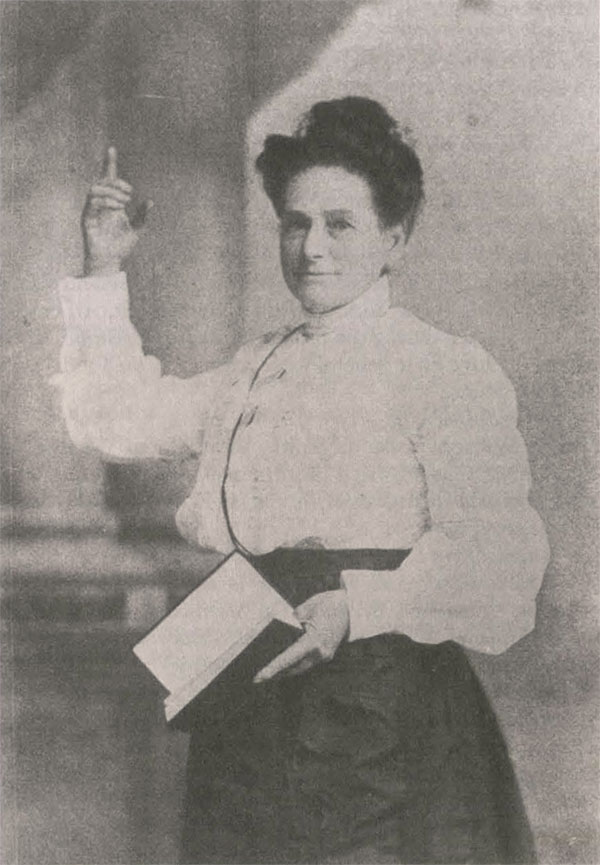
MARIA WOODWORTH ETTER, PIONEER WOMAN PREACHER
19th Century Woman Evangelist: MARIA WOODWORTH ETTER

[Maria Woodworth-Etter from her autobiography.]
IN THE PREFACE to her autobiography, Maria Woodworth-Etter wrote:
My object in putting this little work before the public is to show to its readers that it is useless to fight against God, but that they should lead sinners to the cross and to repentance, and induce those whom God has called to stand upon the walls of Zion to proclaim his truths to a dying world, and not to put off doing what God designs them to do because they feel weak and unworthy, but to trust him and go forward in the discharge of duty.
Converted at thirteen and filled with the Holy Spirit, she nonetheless admitted she resisted God’s call for many years.“Soon after I was converted I heard the voice of Jesus calling me to go out in highways and hedges, and gather in the lost sheep of the house of lsrael.” Scared to preach the gospel because she was a woman and a teenager, and unable to face probable ridicule, she instead married Philo Horace Woodworth. He proved to be an unstable and unfaithful husband with frequent mood swings: “At times he was on the mountain-top, and then again he would be down in the valley in his religious experience.”
They had five children together but four of them died young, which she attributed to her disobedience to God’s call. Finally when she was thirty-five, she ventured to preach in public. She began by speaking a little in a Quaker assembly where such behavior was normal. But her husband and remaining daughter resisted and her own fears held her back. However, she saw visions in which Christ commanded her and promised to be with her:
As I continued to read my Bible I saw that in all ages of the world the Lord raised up of his own choosing, men, women, and children—Miriam, Deborah, Hannah, Hulda, Anna, Phoebe, Narcissus, Tryphena, Persis, Julia, and the Marys, and the sisters who were co-workers with Paul in the gospel, whose names were in the Book of Life, and many other women whose labors are mentioned with praise.
She became afraid of hiding away her “one talent.” Her first public efforts were with people she had lived among, which was hard for her because they knew her with all her faults. Yet she found strength.
Over time, she gained courage and her efforts were crowned with enough success that nearby churches requested her as their pastor. She refused, for she felt her work must be as an itinerant evangelist. Gradually her crowds grew larger so that her tent, which held eight thousand people, was too small. Philo impeded her efforts by exploiting the crowds to sell refreshments. In 1891 she divorced him for repeated instances of infidelity. (He immediately married a sixteen-year-old girl but died the following year.)
Meanwhile, Maria searched the Scriptures to see what they had to say about women preaching. She took to heart the prophecy of Joel which predicted that in the latter days “Your sons and your daughters shall prophesy.” Her position that this was meant for the church was reinforced by testimony from the Acts of the Apostles that Philip’s four daughters had prophesied.
Her revival services became famed for the trances she experienced while under the power of the Spirit. Sinners would also fall into trances under conviction of sin. Thousands of people crowded her tent and many were saved.
In 1902 she married Samuel Etter who was fully supportive of her ministry. Shortly afterward she began to preach healing as well as repentance and experienced success in that ministry, too.
On this day 16 September 1924 Maria Buelah Woodworth-Etter died. With her emphases on the role of the Holy Spirit, on women’s roles in evangelism, and on healing, she is regarded as a precursor of Pentecostal evangelism.